
The Arctic region is a unique and important part of the Earth system
The Arctic Region is now experiencing some of the most rapid environmental, social, economic and geopolitical changes, resulting from combined long-range pollution, climate change and globalization. Consequently, the Arctic region has now become part and parcel of systemic global economic, technological, cultural and environmental change. Simultaneously, what happens in the Arctic region has significant implications for the global economy, world politics and, most importantly, the Earth system. Given these changes, it is crucial that the Arctic peoples and nations, the Arctic countries and the world at large gain a greater understanding of processes taking place in the region. This observation has led us to propose that the GlobalArctic be considered “a interdisciplinary laboratory of the Anthropocene”, in which no less than the future of industrial civilization is probably being played out before our eyes. We think that the governance of the Arctic should reflect this reality.

The GlobalArctic Handbook © 2019
This book offers a systematic and comprehensive introduction to the Arctic in the era of globalization, or as it is referred to here, the ‘GlobalArctic’. It provides an overview of the current status of the Arctic as a result of global change, while also considering the changes in the Arctic that have a global effect.

GlobalArctic MOOC
This course aims to highlight the effects of climate change in the Polar region. In turn, it will underline the impacts of a warmer Arctic on the planet Earth. For human civilization, the Arctic stands both as a laboratory and a warming for human kind. Besides, this course gives students an understanding of the key challenges and pathways to sustainable development in the Arctic region.

Global Arctic © 2022
The Arctic has become a global arena. This development can only be comprehensively understood from a transdisciplinary perspective encompassing ecological, cultural, societal, economic, industrial, geopolitical, and security considerations. This book offers thorough explanations of Arctic developments and challenges.
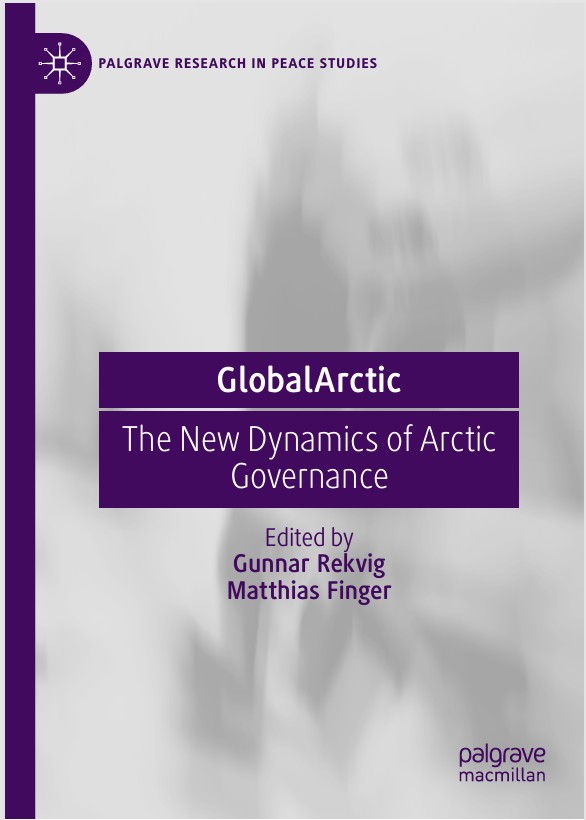
GlobalArctic @ 2025
We are now faced with an Arctic that is remarkably different from pre-2022 times. At that time, the security situation was already worsening, but it was not as dangerous as it is today. Today’s security dilemma is indeed overshadowing our existential crisis in the face of climate change, which is now coupled with a possible return to nuclear war.